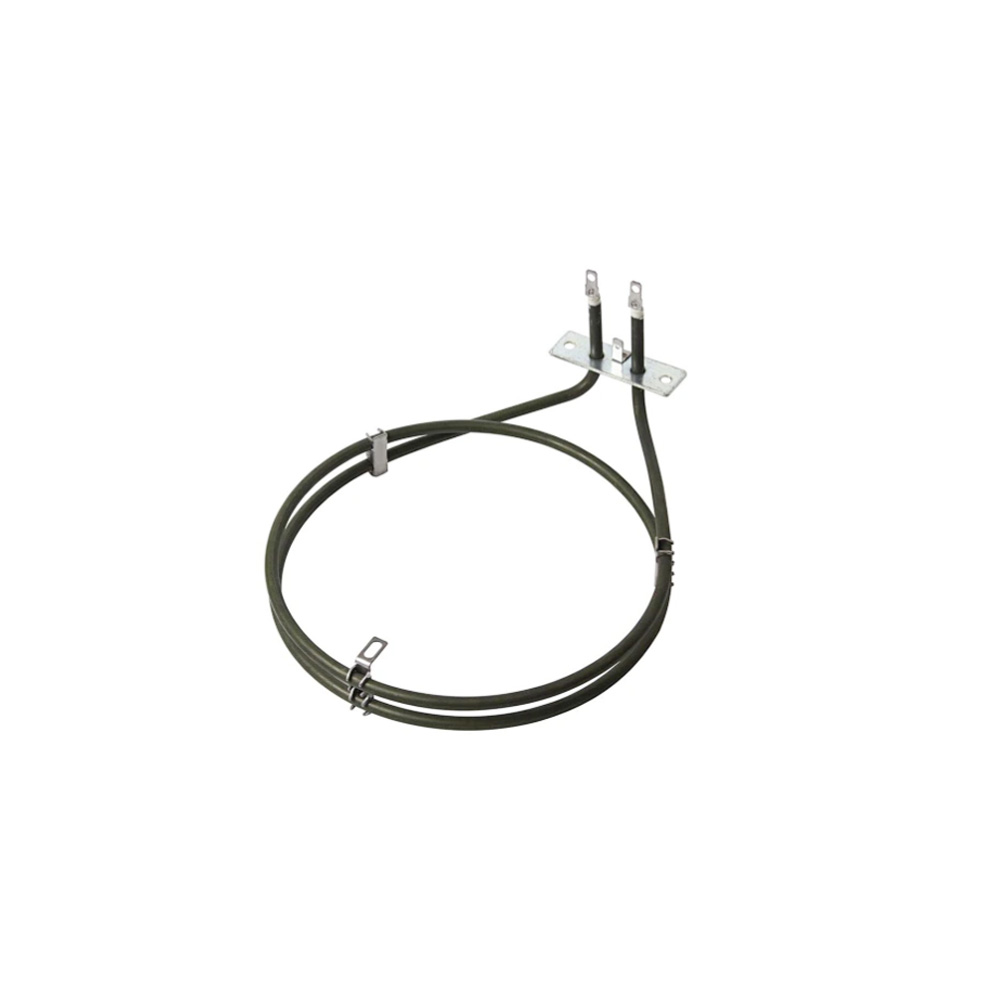
How to Integrate a PTC Thermistor Element into Your Circuit Design
Customer Needs in the PTC Thermistor Element Industry
Customers in this field typically seek:

Efficient Thermal Management: For preventing overheating in sensitive electronics.
Reliable Overcurrent Protection: To safeguard circuits from power surges.
Stable Heating Performance: Particularly for applications requiring self-regulating heating, such as PTC Thermistor heating element.
Durable and Custom Solutions: Manufacturers require tailored designs for specific heating and protection needs.
Addressing these requirements ensures improved product longevity, energy efficiency, and overall system safety.
Step-by-Step Guide to Integrate a PTC Thermistor Element into Your Circuit Design
Step 1: Identify the Application Requirements
Before integrating a PTC Thermistor Element, assess your circuit’s needs:
Required operating temperature range
Maximum current load
Space constraints within the design
Desired heating efficiency (for PTC Thermistor heating elements)

Step 2: Select the Appropriate PTC Thermistor Element
Choose a PTC Thermistor Heater Element with suitable resistance values and thermal characteristics. Ensure compatibility with your circuit's voltage and current ratings.
Step 3: Circuit Placement and Configuration
Proper positioning enhances efficiency and safety:
For overcurrent protection, place the PTC Thermistor element in series with the load.
For heating applications, position the PTC Thermistor heating element near the target surface to ensure effective heat transfer.
Step 4: Wiring and Soldering Techniques
Use insulated wiring to prevent short circuits.
Ensure soldering connections are secure to maintain stable electrical flow.
For PTC Thermistor heater elements, ensure the thermal contact area is clean and firm to optimize heat conduction.

Step 5: Testing and Calibration
Conduct resistance measurements to ensure the component responds accurately to temperature changes.
Perform load testing to verify thermal response and overcurrent protection capabilities.
Step 6: Insulation and Protection
Apply heat-resistant coatings or casings if the circuit operates in extreme conditions.
Ensure the PTC Thermistor Element is shielded from moisture, dust, or corrosive environments to maintain performance.
Jaye Heater's Technical and Quality Control Advantages
Jaye Heater's PTC Thermistor Elements are designed with cutting-edge technology to ensure superior performance and durability:
High-Precision Manufacturing: Each PTC Thermistor Element is crafted using advanced materials and tested rigorously to meet high-performance standards.
Reliable Self-Regulation: Jaye Heater's PTC Thermistor heating elements maintain consistent temperatures, enhancing energy efficiency and preventing overheating.
Custom Design Solutions: Jaye Heater offers tailor-made PTC Thermistor heater elements to suit specific circuit requirements in diverse industries.
Stringent Quality Control: Every product undergoes thorough electrical and thermal testing to ensure safety, durability, and long-term performance.
Conclusion
Integrating a PTC Thermistor Element into your circuit design requires careful planning, precise selection, and proper installation. By following these steps and choosing Jaye Heater’s high-performance PTC Thermistor heating elements, you can ensure optimal functionality, energy efficiency, and improved equipment safety. For expert guidance and premium heating solutions, trust Jaye Heater to deliver unmatched reliability in every application.
How to Install and Calibrate a Capillary Thermostat
How to Descale Your Washing Machine Heating Element Effectively
Related Article