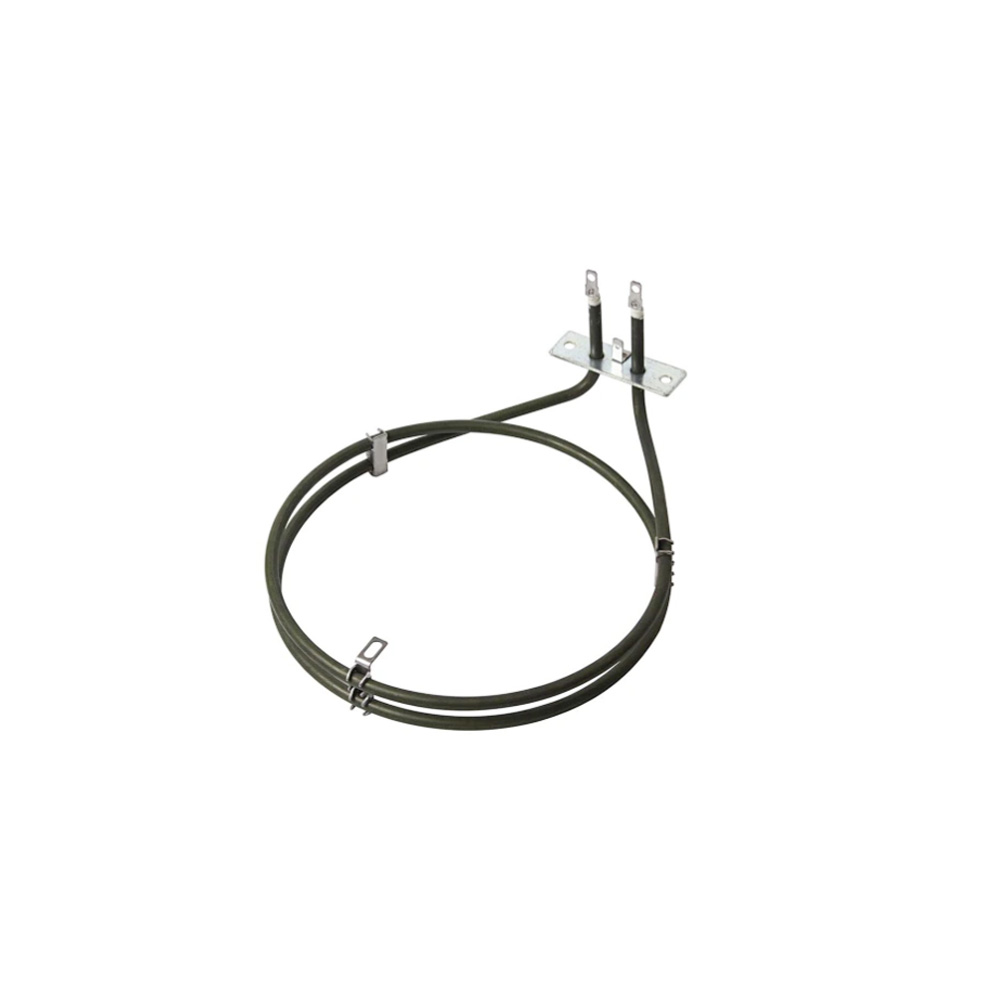
How to Install and Calibrate a Capillary Thermostat
Capillary thermostats are widely used in various heating, cooling, and temperature control applications due to their accuracy, reliability, and efficiency. Whether you’re installing a new thermostat or performing routine maintenance, it’s crucial to ensure proper installation and calibration to maintain optimal performance. In this blog, we’ll walk you through the steps on how to calibrate thermostat, the thermostat installation guide, and how to ensure your capillary thermostat functions at its best.
Understanding Customer Needs in the Capillary Thermostat Industry
Customers seeking capillary thermostats typically fall into industries where temperature control is critical, such as HVAC systems, refrigeration units, manufacturing lines, and home appliances. Here are the primary needs of customers in this industry:

How to Install a Capillary Thermostat: A Step-by-Step Guide
Installing a capillary thermostat correctly is essential to ensure it functions properly and delivers accurate temperature regulation. Follow this thermostat installation guide for a successful installation process:
Select the Appropriate Location
Before you start the installation, ensure you choose the right location for the thermostat. It should be in a spot where it can measure the temperature accurately, away from direct sunlight, heat sources, or drafts that could affect the readings.
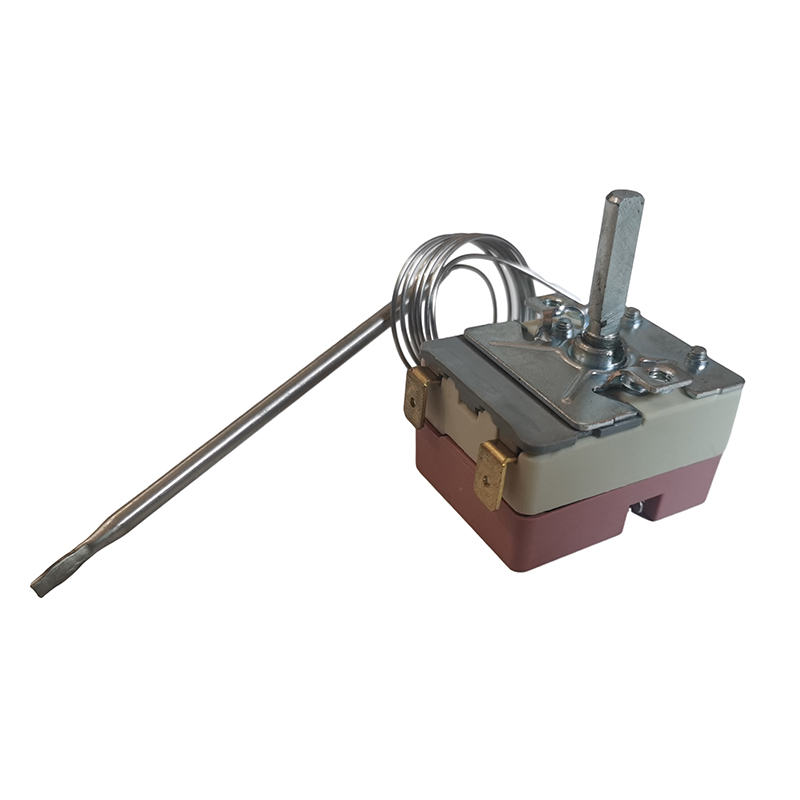
Prepare the Mounting Area
The thermostat should be mounted securely on a flat surface. Use screws to attach the mounting bracket of the thermostat, ensuring it's level and firmly attached to prevent misalignment during use.
Connect the Electrical Wires
Capillary thermostats typically require electrical connections to control heating or cooling elements. Carefully connect the thermostat’s electrical terminals to the corresponding wires in your system. Be sure to follow the manufacturer’s wiring diagram to ensure a safe and functional connection.
Insert the Capillary Tube
The capillary tube plays a crucial role in sensing the temperature. Insert it into the designated space or holder in the system where the temperature needs to be monitored. Ensure that the tube is undamaged and properly secured to avoid false readings.
Test the System
Once the thermostat is securely installed, turn on the system and test the thermostat's operation. Check if the system reaches the desired temperature and shuts off or activates according to the settings. If the system doesn’t behave as expected, recheck the connections and placement of the capillary tube.
How to Calibrate a Thermostat: Ensuring Accuracy
Proper calibration is crucial for maintaining the accuracy of your capillary thermostat. Here's a guide on how to calibrate a thermostat to ensure precise temperature control:
Prepare a Calibration Device
To calibrate the thermostat, you'll need a reliable thermometer to compare the readings from your thermostat. A digital thermometer or a calibrated reference thermometer works best for this purpose.
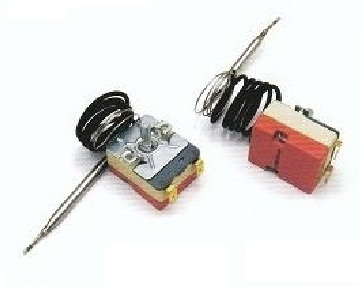
Compare the Thermostat and Thermometer Readings
Place the thermometer in the same location as the capillary thermostat and allow both devices to stabilize at room temperature. Check the reading on your thermostat and compare it to the thermometer's reading. If the readings differ, the thermostat needs calibration.
Adjust the Calibration Screw
Most capillary thermostats come with a small screw or dial that allows for calibration adjustments. Using a screwdriver, turn the screw slowly to align the thermostat’s reading with the thermometer’s reading. Be sure to make small adjustments, checking the temperature periodically to avoid over-adjusting.
Test After Calibration
After making adjustments, turn the system on and test it again to ensure the thermostat activates at the correct temperature. This ensures your thermostat will reliably control your heating or cooling system moving forward.
Why Choose JAYE HEATER for Your Capillary Thermostats?
At JAYE HEATER, we understand the importance of accurate temperature regulation and long-lasting performance in capillary thermostats. Here are a few reasons why our products are trusted by customers worldwide:
Advanced Technology for Precision
JAYE HEATER’s capillary thermostats utilize cutting-edge technology that ensures precise temperature control. Our thermostats offer consistent and reliable readings, even in challenging environments, helping customers maintain accuracy and performance across various applications.
High-Quality Materials
We prioritize quality in every aspect of our manufacturing process. Our capillary thermostats are built using high-grade materials that ensure durability and longevity, reducing the need for frequent replacements or repairs.
Customization Options
JAYE HEATER offers customization services for clients who require specific temperature ranges, sizes, or features in their capillary thermostats. This ensures that our products meet the exact needs of each application, providing an optimal solution for every customer.
Stringent Quality Control
Every thermostat we produce undergoes rigorous testing and quality control procedures. We ensure that our products meet international standards for reliability, accuracy, and durability. Our commitment to quality means our customers can depend on JAYE HEATER’s thermostats for years to come.
Comprehensive Support
Our team at JAYE HEATER is always ready to provide technical support and guidance to help with the installation, calibration, and maintenance of our thermostats. We ensure our customers have all the resources they need to keep their systems running smoothly.
Conclusion
Installing and calibrating a capillary thermostat is crucial for ensuring the accurate and reliable operation of your heating or cooling systems. By following the thermostat installation guide and calibration steps, you can enhance the performance and lifespan of your system. With JAYE HEATER's advanced technology, high-quality materials, and rigorous quality control, you can trust our capillary thermostats to deliver consistent, energy-efficient performance in any application.
For more information or to inquire about our products, feel free to contact JAYE HEATER today!
How to Integrate a PTC Thermistor Element into Your Circuit Design
Related Article