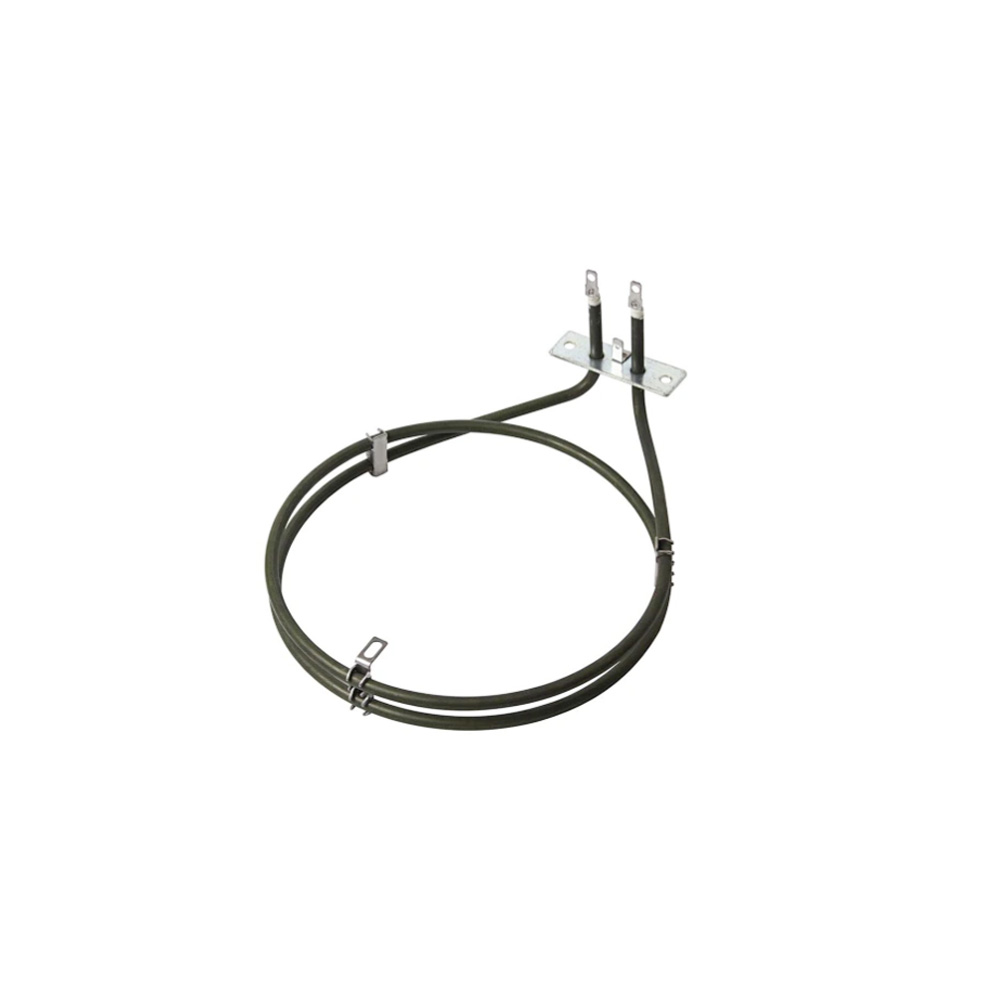
How to Repair a Faulty Washing Machine Heating Element
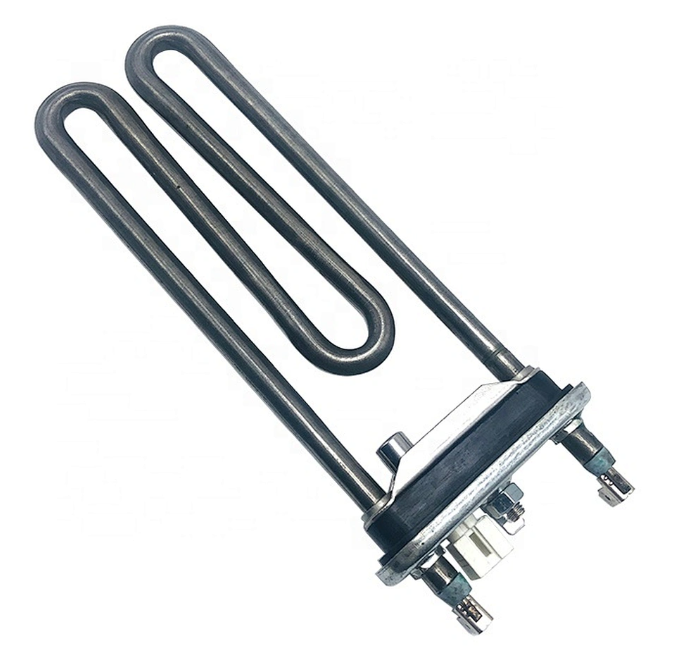
The washing machine heating element is a crucial part of the appliance, responsible for heating the water to the appropriate temperature for cleaning clothes. If the heating element malfunctions, it may prevent the machine from heating water, thus affecting the washing performance. In this article, we will explain how to diagnose and repair a faulty washing machine heating element, helping you restore the functionality of your appliance.
Common Symptoms of Heating Element Failure
When the heating element in your washing machine fails, you may notice that the water is not heating up properly or at all. This typically results in poor washing performance, especially for loads that require hot water. Additionally, the machine may emit unusual sounds or display error codes, indicating a problem with the heating element.
Common Causes of Heating Element Failure
Several factors can contribute to the failure of a washing machine heating element:
Preparation Before Repairing
Before attempting to repair the heating element, ensure that the power supply is completely turned off to avoid electrical hazards. You will need a few basic tools such as a screwdriver, multimeter, and voltage tester to help diagnose and fix the issue accurately.
Step 1: Diagnosing the Fault
Use a multimeter to measure the resistance of the heating element. If the resistance is zero or infinite, it indicates that the element is broken and needs to be replaced. You can also check the power supply to the washing machine to ensure it is receiving proper voltage.
Step 2: Remove and Inspect the Heating Element
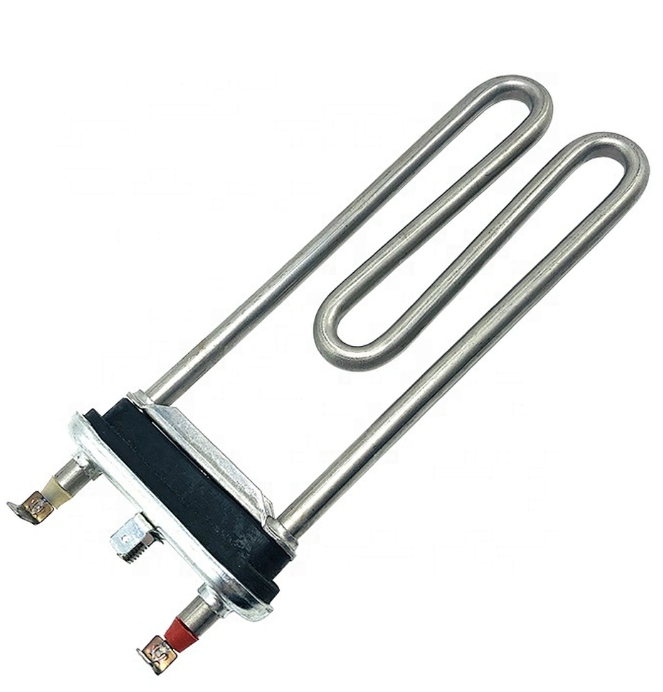
Once you have confirmed the heating element is faulty, the next step is to remove the washing machine's outer casing to access the heating element. Different brands and models have different disassembly methods, but typically, the heating element is located at the bottom of the drum. Be sure to carefully remove the element to avoid damaging other parts.
Step 3: Replacing the Heating Element
Remove the defective heating element and replace it with a compatible washing machine heater. When installing the new element, ensure that the electrical connections are secure to avoid loose connections, which could cause further problems.
Step 4: Test and Verify
After installing the new heating element, reconnect the power and start the washing machine. Check to see if the heating element is working correctly and whether the water is being heated properly. If the machine heats the water as expected and operates smoothly, the repair was successful.
Conclusion
Repairing a washing machine heating element is not difficult but requires some electrical knowledge and skill. If you are not experienced with electrical repairs, it is recommended to seek professional assistance. Regular maintenance and inspection of your appliance can also help prevent frequent heating element failures.
JAYE HEATER provides high-quality washing machine heating elements, designed to offer long-lasting and reliable heating solutions for a wide range of home appliances. We are committed to providing durable and efficient heating elements to ensure optimal performance for your devices.
Tubular Heater Elements|Electric Hot Plates|Thick Film Heater|PTC Heating Elements|Mica Heater Elements|Thermal Controllers
How to Ensure the Proper Functioning of Electric Solid Hot Plates on Ships in High Humidity Environments
How to Properly Use the Air Fryer Heating Elements for Optimal Cooking Results
Related Article