How to Tell When to Replace a Coffee Maker Heating Element
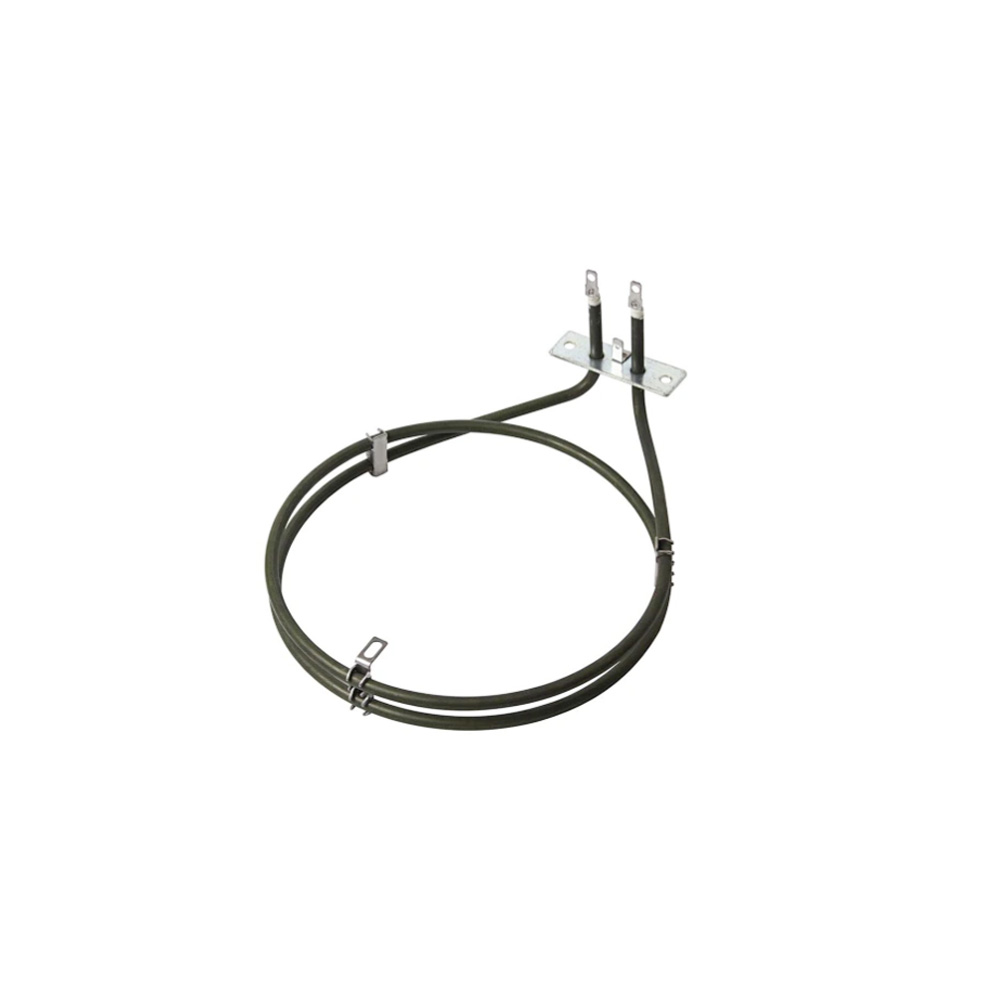
The heating element in a coffee maker is a critical component, ensuring that water is heated to the optimal temperature for brewing coffee. Whether in home coffee machines or commercial ones, a well-functioning heating element guarantees that you get a hot, flavorful cup of coffee. Particularly, the Tubular Heating Element, known for its efficiency and durability, is widely used in coffee machines. However, over time, this component can wear out or fail entirely, making it crucial to recognize when it needs to be replaced to maintain your coffee machine’s performance.

Common Signs of Heating Element Failure
Sudden Drop in Coffee Temperature One of the most obvious signs of a failing Coffee Maker Heating Element is when the temperature of your brewed coffee drops significantly. A lower-than-usual temperature can indicate that the heating element is no longer functioning optimally, leading to subpar coffee quality.
Extended Heating Time If your coffee machine takes noticeably longer to brew a cup of coffee, it may signal that the heating element's efficiency is declining. When a heating element’s conductivity and heat transfer capabilities diminish, the brewing process slows down.
Unusual Smells and Noises Sometimes, a worn-out or damaged Tubular Heating Element can emit strange smells or make unusual sounds. These symptoms typically indicate that the internal circuits or parts are overheating and may even be at risk of burning out.
When to Replace the Heating Element
Severe Mineral Buildup Over time, unfiltered water can cause minerals to accumulate on the heating element, reducing its ability to conduct heat effectively. In such cases, replacement may be the best solution rather than simply cleaning.
Significant Decline in Heating Efficiency If your Coffee Maker Heating Element can no longer maintain a consistent temperature or takes much longer to heat, it’s a clear sign that the component is nearing the end of its lifespan. Replacing the heating element can restore your coffee maker to its optimal performance.
Physical Damage to the Element If you notice visible cracks or deformation on the heating element, it’s crucial to replace it immediately to avoid safety risks or further damage to the coffee machine.

Steps for Replacing a Heating Element
Replacing the heating element in a coffee machine requires a careful process. First, ensure that the machine is unplugged. Then, carefully disassemble the coffee maker to access the faulty Tubular Heating Element. During installation, it is highly recommended to opt for high-quality stainless steel heating elements provided by JAYE HEATER for their superior heat conductivity and corrosion resistance.
The Importance of Using High-Quality Heating Elements
Advantages of Stainless Steel Heating Elements Stainless steel heating elements are particularly beneficial in coffee machines due to their durability and corrosion resistance. A Stainless Steel Heating Element not only ensures consistent heating performance but also helps reduce damage from mineral deposits and other impurities.
Quality Assurance from JAYE HEATER JAYE HEATER is a leading brand in the heating element industry, known for producing reliable and long-lasting components. Their stainless steel heating elements offer higher performance, a longer lifespan, and reduced maintenance costs, making them the ideal replacement choice for any coffee maker.
Conclusion
Regular inspection and maintenance of your Coffee Maker Heating Element are key to ensuring the best performance from your coffee machine. When heating efficiency drops or the element becomes damaged, replacing it promptly is essential to maintain the quality of your coffee. Choosing high-quality stainless steel heating elements from JAYE HEATER ensures durability, efficiency, and a consistently great coffee experience.
How to Use PTC Cartridge Heaters for Concrete Heating in Harsh Environments
How to Replace a Water Dispenser Heating Element
Related Article