
How to Test a Washing Machine Heating Element for Faults
author: Eric
2025-03-04
Is your washing machine not heating water properly? A faulty washing machine heating element is often the culprit. In this guide, we’ll show you how to diagnose and test the heating element’s resistance, troubleshoot common issues, and explain why choosing a high-quality replacement (like JAYE HEATER’s components) ensures long-term reliability.
Customer Needs Analysis
Before diving into testing steps, let’s break down what users in this industry typically search for:
Symptom Identification: Users notice their washer isn’t heating water and want quick fixes.
Technical Guidance: They need clear instructions to test the washing machine heating element resistance with tools like a multimeter.
Replacement Advice: After confirming a fault, users seek trusted brands offering durable replacements.
Preventive Maintenance: Customers want to avoid recurring issues by understanding quality standards.
Step-by-Step: Testing Your Washing Machine Heating Element
Tools You’ll Need
Multimeter
Screwdriver set
Insulated gloves
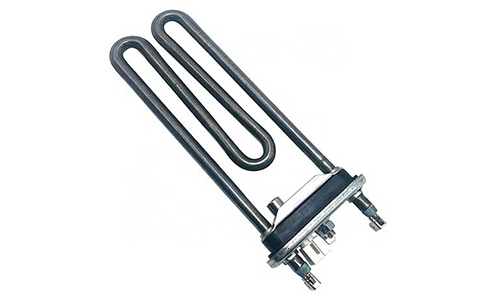
Step 1: Safety First
Unplug the washer and drain residual water. Remove the back panel to access the washing machine heating element, usually located near the drum.
Step 2: Check for Visible Damage
Look for:
Look for:
Burnt marks or corrosion on the element.
Loose or melted wiring connections.
Pro Tip: If you see damage, skip to replacement steps (see below).
Loose or melted wiring connections.
Pro Tip: If you see damage, skip to replacement steps (see below).
Step 3: Test the Heating Element Resistance
Set your multimeter to Ohms (Ω).
Disconnect the heating element wires.
Touch the multimeter probes to the element’s terminals.
Normal Resistance Range: 20–50 Ω (varies by model).
No Reading: The element is dead.
Too High/Low: Internal faults (e.g., broken coils).
Why Resistance Matters: Proper washing machine heating element resistance ensures efficient energy conversion to heat. Faulty resistance leads to cold washes or electrical hazards.
Set your multimeter to Ohms (Ω).
Disconnect the heating element wires.
Touch the multimeter probes to the element’s terminals.
Normal Resistance Range: 20–50 Ω (varies by model).
No Reading: The element is dead.
Too High/Low: Internal faults (e.g., broken coils).
Why Resistance Matters: Proper washing machine heating element resistance ensures efficient energy conversion to heat. Faulty resistance leads to cold washes or electrical hazards.
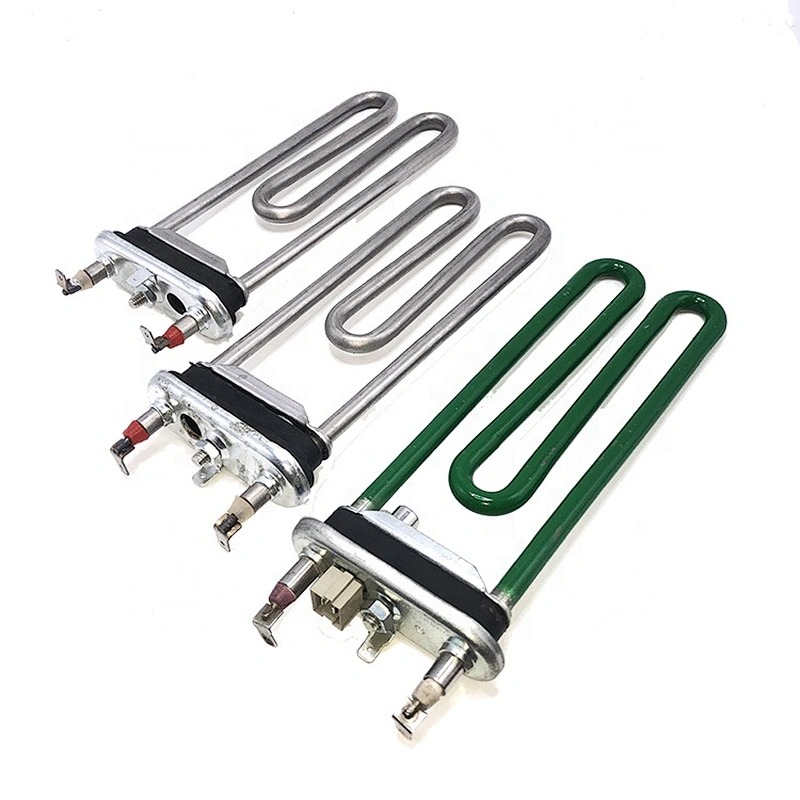
Step 4: Troubleshoot Other Causes
If the heating element tests fine, check:
If the heating element tests fine, check:
Thermostat or thermal fuse failures.
Control board errors (e.g., error codes like E64).
When to Replace the Heating Element
If testing confirms a fault, replace the element with a high-quality component like JAYE HEATER’s products. Here’s why:
JAYE HEATER’s Technical & Quality Control Advantages
Precision Engineering:
Heating elements are designed to exact OEM specifications, ensuring compatibility with brands like LG, Samsung, and Whirlpool.
Optimized resistance values for energy efficiency and consistent heating.

Durability:
Corrosion-resistant materials (stainless steel or Incoloy) withstand hard water and detergents.
Robust terminal connections to prevent burnout.
Rigorous Testing:
100% resistance and insulation testing pre-shipment.
Leak-proof seals validated under high-pressure conditions.
Certifications:
Compliant with IEC, UL, and CE safety standards.
Prevent Future Failures
Use JAYE HEATER components for replacements to avoid recurring issues.
Descale your washer monthly to prevent mineral buildup on the heating element.
FAQ: Quick Answers
Q: Why is my washing machine not heating even after replacing the element?
A: Check the thermostat or control board. Ensure the replacement element (e.g., JAYE HEATER) matches your washer’s voltage and wattage.
Q: Can I test the heating element without a multimeter?
A: No—resistance testing is the only reliable method.
A: No—resistance testing is the only reliable method.
Conclusion
Testing a washing machine heating element is straightforward with a multimeter and safety precautions. For replacements, prioritize brands like JAYE HEATER that combine advanced engineering with strict quality control—saving you time, money, and future repairs.
Need a reliable heating element? Explore JAYE HEATER’s product lineup for components built to last.
How to Choose the Right Capillary Thermostat for Your Application
How Are Electric Solid Hot Plates Used in Marine Kitchens
Related Article

Installing and calibrating a capillary thermostat is crucial for ensuring the accurate and reliable operation of your heating or cooling systems. By following the thermostat installation guide and calibration steps, you can enhance the performance and lifespan of your system. With JAYE HEATER's advanced technology, high-quality materials, and rigorous quality control, you can trust our capillary thermostats to deliver consistent, energy-efficient performance in any application.
How to Install and Calibrate a Capillary Thermostat

Integrating a PTC Thermistor Element into your circuit design requires careful planning, precise selection, and proper installation. By following these steps and choosing Jaye Heater’s high-performance PTC Thermistor heating elements, you can ensure optimal functionality, energy efficiency, and improved equipment safety. For expert guidance and premium heating solutions, trust Jaye Heater to deliver unmatched reliability in every application.
How to Integrate a PTC Thermistor Element into Your Circuit Design

By regularly descaling your Washing Machine Heating Element, you can improve energy efficiency, reduce repair costs, and extend the life of your appliance. For long-lasting performance, consider Jaye Heater's premium heating elements designed to deliver consistent heating results even in challenging conditions.
How to Descale Your Washing Machine Heating Element Effectively
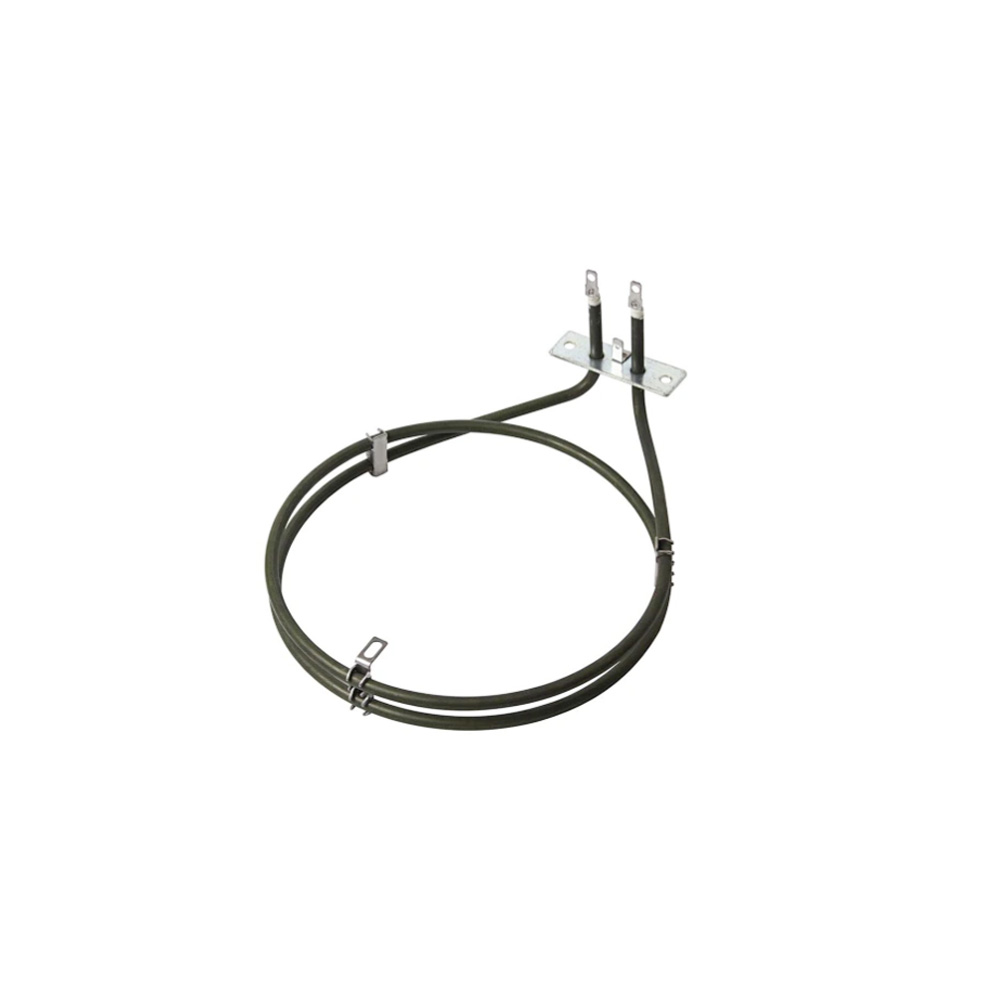
Troubleshooting issues with your Convection Oven Heating Elements can save you time and money while ensuring your oven continues to work efficiently. Regular maintenance and timely replacement of faulty parts are essential to keeping your oven in top condition.
How to Troubleshoot Common Issues with Convection Oven Heating Elements