How to Use an Electric Solid Hot Plate in Rough Sea Conditions
In a ship's kitchen, the stability and durability of equipment are crucial, especially in rough sea conditions where ensuring safety during use becomes a top priority. The Electric Solid Hot Plate, known for its efficient heating and ease of operation, is a staple in marine kitchens. However, using this device in challenging conditions requires specific skills and precautions to ensure both safety and performance.
The Impact of Rough Sea Conditions on Equipment
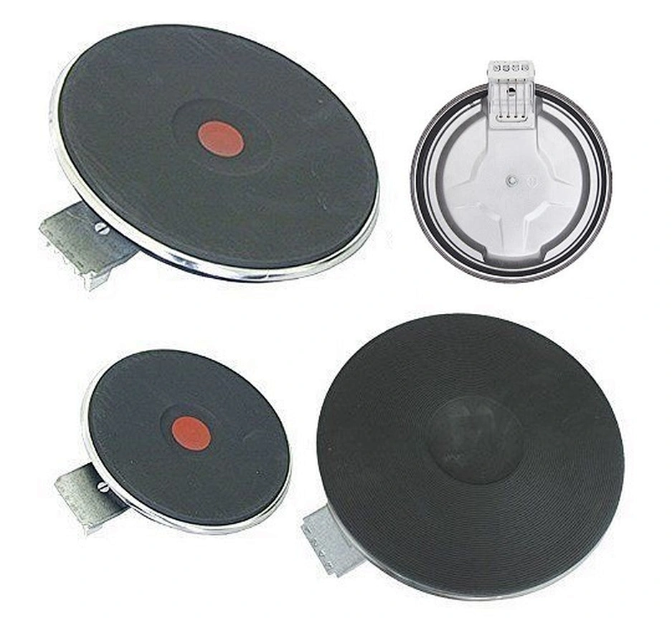
In a bumpy marine environment, devices like the Cast Iron Electric Hot Plate and other heating equipment are prone to vibrations, salt spray corrosion, and humidity damage. These factors can cause the device to slide, reduce performance, or even malfunction. For example, sliding equipment not only disrupts operations but also poses safety hazards. Understanding these environmental impacts is the first step to effective usage.
Choosing the Right Electric Solid Hot Plate for Marine Use
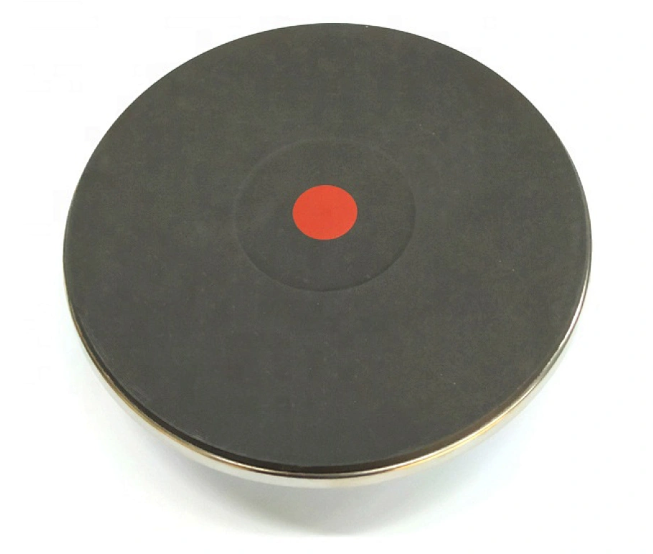
To address the challenges of marine environments, selecting the right equipment is essential. The Electric Stove Hot Plate from JAYE HEATER is specially designed with the following features:
Operational Tips and Precautions
Routine Maintenance and Care
In rough sea conditions, regular maintenance is critical for extending the lifespan of your equipment:
Crew Training and Emergency Plans
To minimize risks, crew members should undergo regular training on equipment operation, including:
Conclusion
The challenges posed by rough sea conditions can be mitigated through proper equipment selection, scientific operation, and regular maintenance. Products like the Cast Iron Electric Hot Plate and Electric Stove Hot Plate from JAYE HEATER offer stability and performance tailored to marine kitchen needs. These devices not only improve crew efficiency but also reduce maintenance costs.
How to Install a Thick Film Heater Plate in a Custom Bottle Warmer Design
How Do Mica Heater Plates Work in Microwave Ovens
Related Article