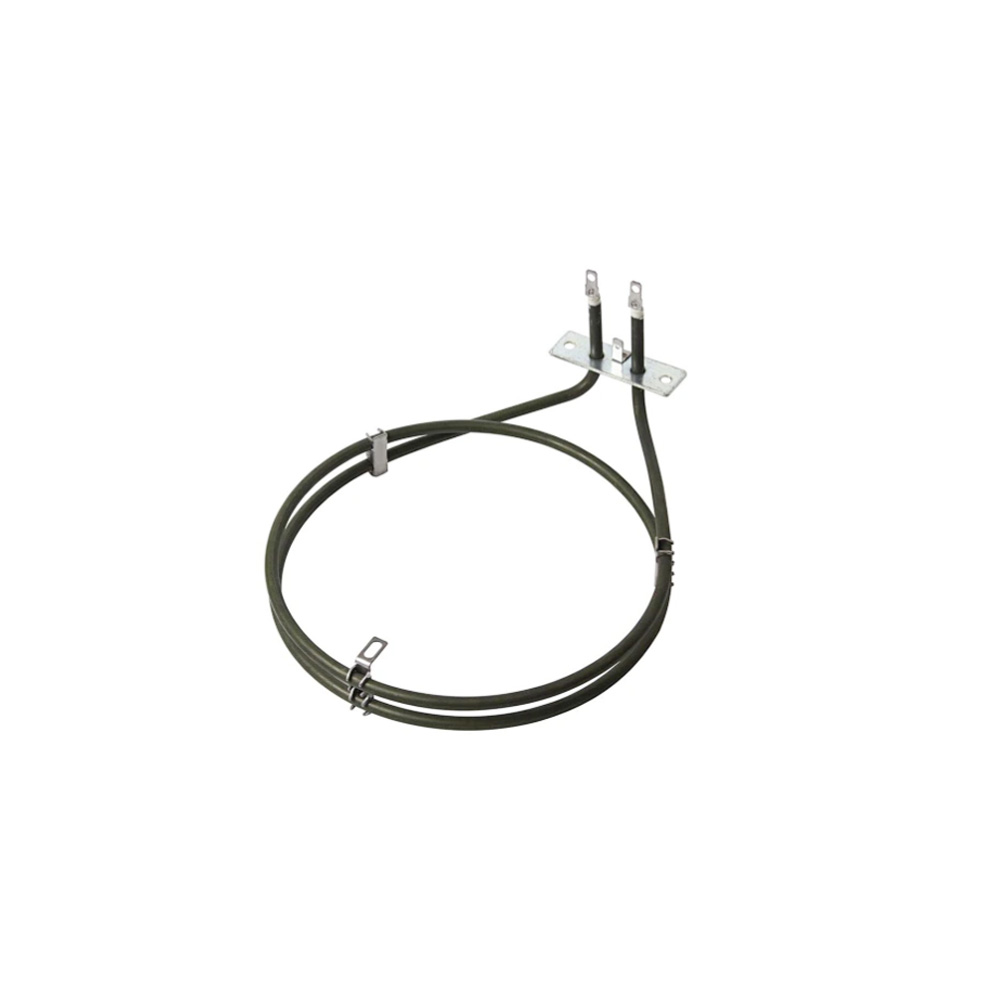
Understanding the Self-Regulating Feature of PTC Heating Elements
PTC (Positive Temperature Coefficient) heating elements have become a popular choice in various industries due to their self-regulating properties, energy efficiency, and safety benefits. Whether used in household appliances, automotive applications, or industrial heating systems, PTC heating elements provide reliable and controlled heating. But what exactly is a PTC heating element, and how does its self-regulating feature work? This article explores these questions while highlighting the advantages of JAYE HEATER in manufacturing high-quality PTC heating element heaters.
What is ptc heater Element?
A PTC heating element is a type of ceramic heater that uses positive temperature coefficient materials, usually made of doped barium titanate. Unlike conventional resistance wire heaters that maintain a fixed resistance, PTC heaters increase their resistance as the temperature rises. This unique characteristic enables them to self-regulate, preventing overheating and ensuring consistent performance.
How Does the Self-Regulating Feature Work?
The self-regulating feature of PTC heating elements is based on their material composition. Here’s how it works:

Initial Heating Phase: When the heater is turned on, the PTC material has low electrical resistance, allowing high current flow, which generates heat.
Temperature Increase: As the temperature rises, the resistance of the PTC material increases.
Automatic Regulation: Once the set temperature is reached, the resistance becomes high enough to limit the current flow, thereby maintaining a stable temperature.
Adaptive Performance: If the surrounding environment cools, the resistance drops, allowing more current to flow and reheating the element as needed.
Benefits of the Self-Regulating Feature

Energy Efficiency: No need for external temperature control devices, reducing energy consumption.
Overheat Protection: Eliminates the risk of overheating, making it a safer choice.
Longevity: Reduced thermal stress ensures a longer lifespan.
Uniform Heating: Provides consistent and evenly distributed heat output.
Versatile Applications: Suitable for heating air, liquids, and surfaces in a variety of industries.
Common Applications of PTC Heating Elements
Due to their safety and efficiency, PTC heating element heater are widely used in:

Automotive Industry: Battery warming, seat heating, and defrosting systems.
Home Appliances: Hair dryers, electric blankets, and water heaters.
Industrial Heating: HVAC systems, medical devices, and 3D printing.
Electronics: Temperature control for lithium-ion batteries and circuit board heating.
JAYE HEATER’s Technical and Quality Control Advantages
When choosing a PTC heating element, quality and reliability are crucial. JAYE HEATER stands out in the industry by offering:
High-Quality Materials: We use advanced ceramic compositions that ensure stable and efficient performance.
Precision Engineering: Each PTC heating element heater is manufactured with strict quality control to provide uniform heating.
Custom Solutions: Tailored heating elements to meet specific customer needs and applications.
Safety and Compliance: All products undergo rigorous testing to meet international safety and efficiency standards.
Efficient Production: Our state-of-the-art manufacturing processes ensure cost-effective solutions without compromising quality.
Conclusion
The self-regulating feature of PTC heating elements makes them a superior choice for applications requiring consistent and safe heating. Their ability to adjust resistance and control temperature without external regulation enhances efficiency, safety, and longevity. JAYE HEATER is committed to providing high-performance PTC heating element heaters, ensuring precision engineering, reliability, and customer satisfaction.
Looking for premium PTC heating elements? Contact JAYE HEATER today to find the best heating solutions for your needs!
How Convection Oven Heating Elements Improve Cooking Efficiency in Commercial Kitchens
How Thick Film Heaters Enable Precise Temperature Control
Related Article