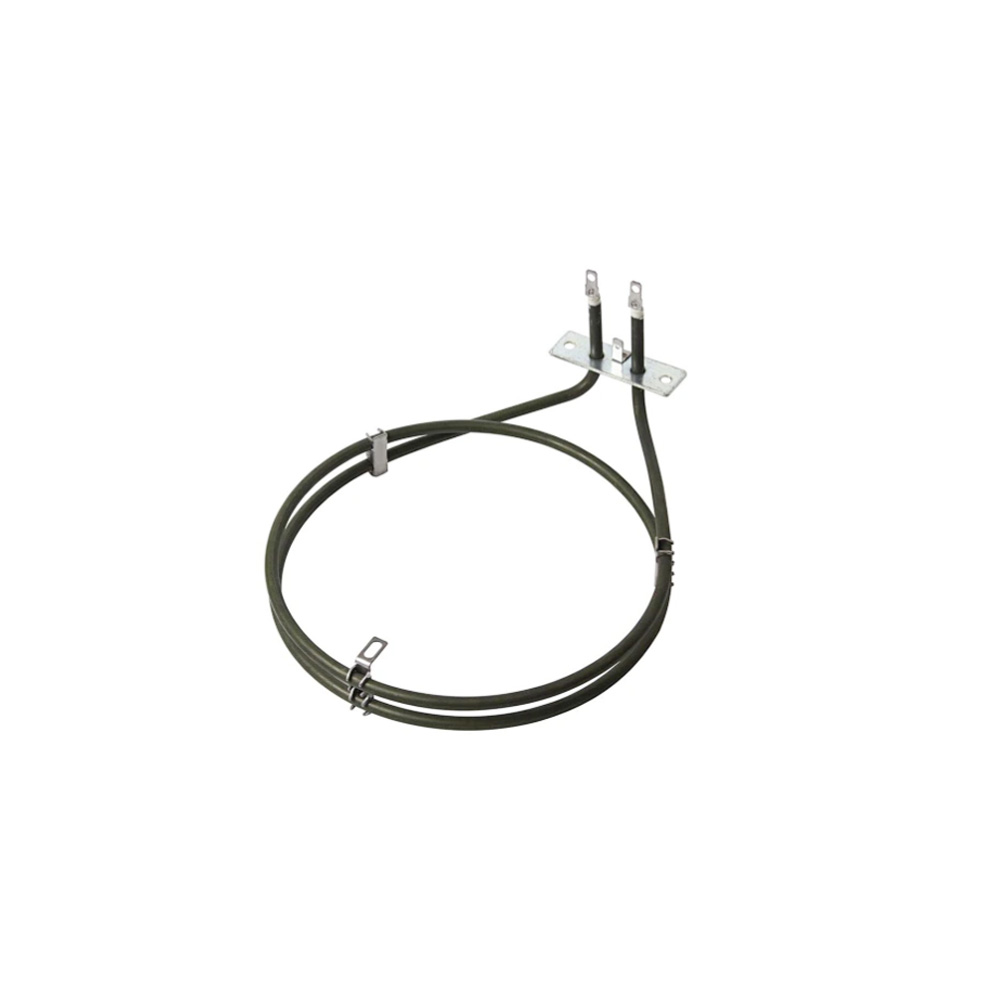
How Do Oven Heating Elements Burn Out

How Do Oven Heating Elements Burn Out?
In the efficient operation of electric ovens, heating elements are essential. However, many businesses encounter issues with heating elements burning out, which can lead to reduced productivity and equipment downtime. This article examines the common causes of oven heating element failure from a business perspective and offers preventive measures to help companies lower maintenance costs and extend equipment lifespan.
The Impact of Voltage Fluctuations
Voltage fluctuations are a primary cause of electric oven heating element burnout. When voltage is unstable, heating elements may experience overload, leading to premature failure. The equipment must cope with increased loads to maintain normal operation, accelerating wear and tear on the elements. To protect oven heating elements, it is crucial to ensure stable voltage. Businesses can prevent damage by installing voltage regulators or optimizing their electrical systems.
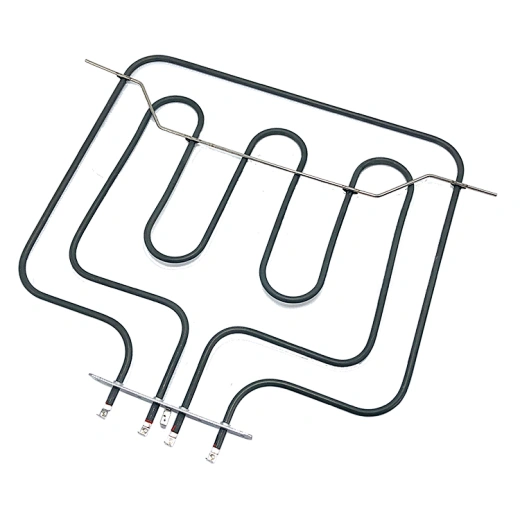
Overuse and Element Aging
Overuse is another common factor contributing to heating element burnout. Continuous operation at high temperatures speeds up the aging process of heating elements, shortening their lifespan. When heating elements operate at extreme temperatures for extended periods, the physical properties of the materials can change, resulting in performance degradation or failure. To mitigate this issue, businesses should optimize usage by controlling operating time and temperature and scheduling regular downtime for the equipment.
Material aging is also an inevitable factor. Even with high-quality oven heating elements from brands like JAYE HEATER, material degradation occurs over time. Regularly replacing aging elements can effectively reduce the risk of equipment damage.
The Impact of Dirt Accumulation on Heating Elements
Food residue and grease naturally accumulate inside ovens over time. If not cleaned regularly, this dirt can adhere to the heating elements, causing uneven heat distribution and increasing the load on the elements, which accelerates aging. Regular cleaning and maintenance are critical for electric oven heating elements. Implementing a regular cleaning schedule helps keep heating elements in optimal condition and prevents unnecessary damage.
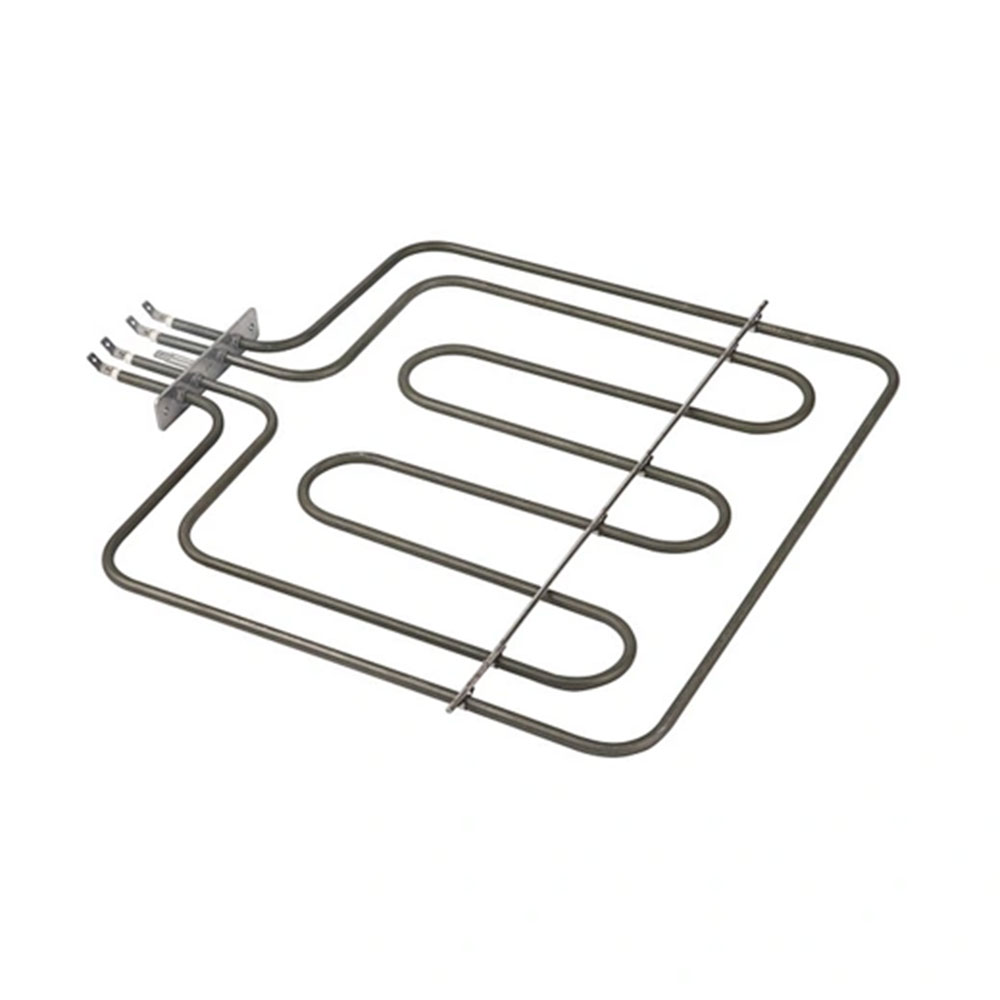
Effective Measures to Prevent Heating Element Damage
Regular Maintenance and Inspection Businesses should conduct regular maintenance and inspections of their equipment to check for abnormal wear or potential failures. Early identification of problems can prevent minor issues from escalating into major faults, reducing downtime and repair costs.
Choose High-Quality Heating Elements Using high-quality heating elements is crucial for minimizing damage. Heating elements from JAYE HEATER are renowned for their efficient heat conduction and superior durability, significantly lowering the risk of equipment failure. Ensuring that the elements meet industry standards also helps reduce the frequency of repairs and replacements.
Optimize Operational Processes Optimizing operational processes is an effective way to extend the lifespan of heating elements. By properly controlling operating temperature and duration, businesses can reduce the load on the equipment, significantly extending the life of the heating elements. Additionally, providing employee training on proper equipment usage can help minimize wear and tear.
Conclusion
Oven heating element failure is typically caused by a combination of factors such as voltage fluctuations, overuse, material aging, and dirt accumulation. To prevent these issues, businesses should implement effective preventive measures, including regular maintenance, choosing high-quality elements, and optimizing operational processes. JAYE HEATER is committed to providing premium oven heating elements to help businesses increase productivity and extend equipment lifespan.
How Does a Thick Film Heater Work in a Coffee Machine
How to Replace the Heating Element in a Washing Machine
Related Article