
How to Determine if the Coil Heating Element in Your Induction Cooker is Faulty
author: Eric
2024-09-24
Washing Machine Heating elements|Oven Heating Elements|Coil Heating Elements|Hot Water Heating Elements|Electric Solid Hot Plate|Radiant Hot Plate|Kettle Heating Plate|Thick Film Heater Plate|PTC Air Heater|Thick Film Heater Tube|PTC Cartridge Heater|PTC Water Heater|Aluminum Shell PTC Heater Element|PTC Ceramic Heating Element|PTC Thermistor Element|Mica Dryer Heater|Mica Fan Heating Element|Mica Heater Plate|Capillary Thermostats|KST Adjustable Thermostats|KSD Snap Action Thermostat|Thermal Cutoff Fuse

How to Determine if the Coil Heating Element in Your Induction Cooker is Faulty?
As an efficient cooking appliance, induction cookers are widely used in modern kitchens, with the coil heating element being the core component of their operation. This heating element converts electrical energy into heat through electromagnetic induction, providing a fast and even heating experience. However, when the coil heating element malfunctions, it not only affects the appliance's performance but may also delay production or cooking processes. To ensure the stable operation of the induction cooker, it is crucial to regularly inspect and detect any potential issues with the coil heating element.
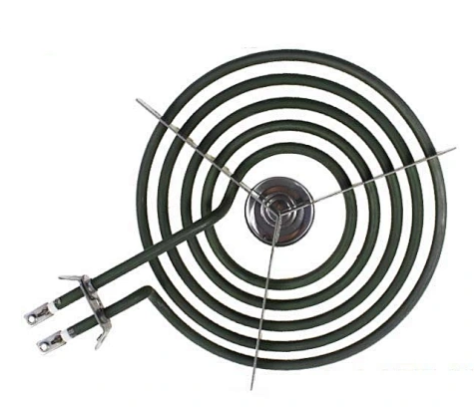
Overview of How Coil Heating Elements Work
The coil heating element works by conducting electric current to the bottom of the cookware through electromagnetic induction, enabling rapid heating. Compared to traditional electric stoves, the electric stove coil heating element in induction cookers provides more precise temperature control, reduces heat loss, and enhances energy efficiency. This high-efficiency heating technology not only shortens cooking time but also delivers even, stable heat for a more precise cooking process.
Common Signs of Coil Heating Element Failure
When the cooking heater coil in an induction cooker malfunctions, there are typically some obvious signs:
Uneven Heating: This is one of the most common signs of failure. If there is inconsistent heating during operation, it could indicate damage or partial breakage of the coil, preventing the current from flowing evenly.
Inability to Reach Desired Temperature: If the induction cooker cannot reach the expected temperature after being turned on, there may be a problem with the electric stove coil heating element circuit, such as poor contact or abnormal resistance.
Error Codes: Many modern induction cookers have automatic detection features. When the heating element fails, the appliance may display error codes, helping the user identify the issue and repair it promptly.
Unusual Odors or Noises: If you notice a burning smell or hear unusual noises during use, it is likely that the heating element is overheating or short-circuiting, which requires immediate inspection or replacement.
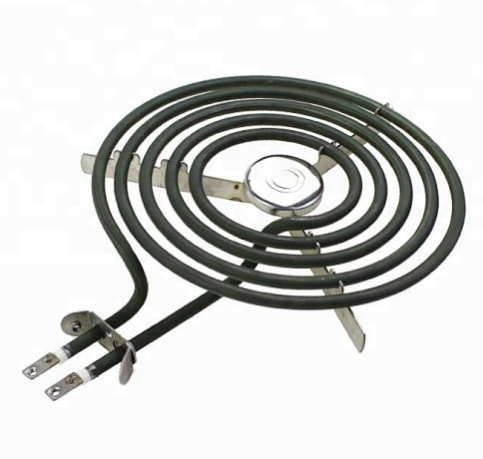
How to Perform Fault Detection
If you suspect an issue with the coil heating element in your induction cooker, follow these steps for a preliminary diagnosis:
Visual Inspection: First, disconnect the power and check the surface of the coil for burn marks, cracks, or deformations.
Electrical Testing: Use a multimeter to test the resistance of the coil, ensuring the circuit connection is normal. If the resistance value is abnormal, it indicates a problem with the circuit.
Function Test: Adjust the induction cooker to different heating settings and observe whether it reaches the set temperature within a short time. If the heating speed has significantly slowed down, it may be time to replace the coil heating element.
Maintenance and Preventive Measures
To extend the lifespan of the cooking heater coil in an induction cooker, regular maintenance is essential. Clean the inside of the appliance regularly to prevent dust or foreign objects from obstructing the heating element. Additionally, avoid overloading the induction cooker during operation to prevent overheating of the coil.
How to Perform Professional Repairs or Replacement
When a serious issue arises with the coil heating element, it is recommended to contact a professional technician for repair or replacement. Choosing high-quality heating element brands such as JAYE HEATER can greatly reduce failure rates and extend the lifespan of the appliance. JAYE HEATER produces electric stove coil heating elements known for their durability and stability, ensuring efficient performance even under high-load conditions.
Conclusion
Regular inspection and maintenance of the coil heating element in your induction cooker can extend the appliance's lifespan and ensure efficient and safe cooking. Choosing a reliable brand like JAYE HEATER for your heating elements not only reduces the risk of failure but also enhances overall heating performance. Through timely detection and professional maintenance, users can ensure their induction cookers maintain optimal performance, providing an unparalleled cooking experience.
How to Choose the Right PTC Water Heater for Your Home
The Advantages of Thick Film Heater Tubes An In-depth Look
Related Article

Installing and calibrating a capillary thermostat is crucial for ensuring the accurate and reliable operation of your heating or cooling systems. By following the thermostat installation guide and calibration steps, you can enhance the performance and lifespan of your system. With JAYE HEATER's advanced technology, high-quality materials, and rigorous quality control, you can trust our capillary thermostats to deliver consistent, energy-efficient performance in any application.
How to Install and Calibrate a Capillary Thermostat

Integrating a PTC Thermistor Element into your circuit design requires careful planning, precise selection, and proper installation. By following these steps and choosing Jaye Heater’s high-performance PTC Thermistor heating elements, you can ensure optimal functionality, energy efficiency, and improved equipment safety. For expert guidance and premium heating solutions, trust Jaye Heater to deliver unmatched reliability in every application.
How to Integrate a PTC Thermistor Element into Your Circuit Design

By regularly descaling your Washing Machine Heating Element, you can improve energy efficiency, reduce repair costs, and extend the life of your appliance. For long-lasting performance, consider Jaye Heater's premium heating elements designed to deliver consistent heating results even in challenging conditions.
How to Descale Your Washing Machine Heating Element Effectively
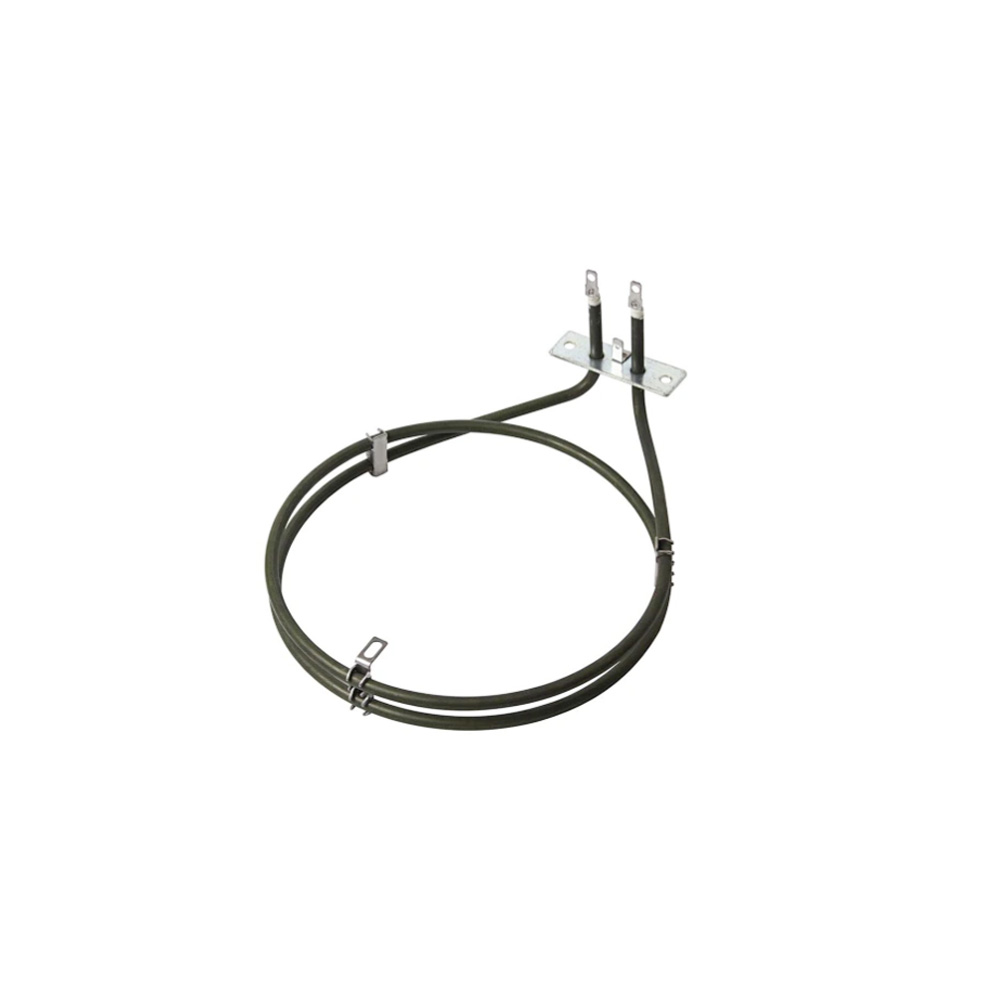
Troubleshooting issues with your Convection Oven Heating Elements can save you time and money while ensuring your oven continues to work efficiently. Regular maintenance and timely replacement of faulty parts are essential to keeping your oven in top condition.
How to Troubleshoot Common Issues with Convection Oven Heating Elements