How to Reduce Noise from Mica Fan Heating Elements

How to Reduce Noise from Mica Fan Heating Elements?
Mica fan heating elements play a crucial role in fans and other heating devices, providing efficient and reliable heating solutions. However, noise issues often become a significant concern for users. Noise not only affects user comfort but can also impact the long-term operation of the device. Therefore, reducing noise from fan heating elements is essential for improving product quality and market competitiveness.
Understanding the Sources of Noise
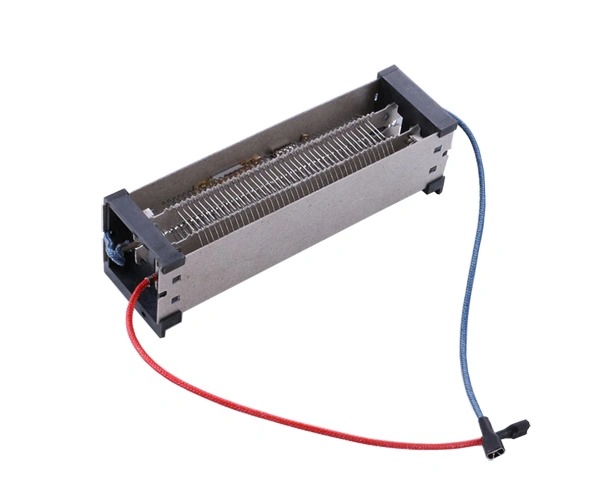
Internal Noise Factors The material properties of mica heating elements directly influence noise levels. While mica materials have excellent high-temperature resistance, they may produce noise due to thermal expansion or vibration during heating. Additionally, the structural design of the heating element, such as the arrangement and fixation of the resistance wire, can impact noise levels.
External Noise Factors The overall design and installation of the fan also affect noise. For instance, improper fan duct design can lead to uneven airflow, increasing noise levels. External environmental conditions, such as temperature and humidity, can also impact noise.
Optimizing Design and Material Selection
Improving Materials Using high-quality mica materials can significantly reduce noise. High-quality mica heating elements maintain stable heat output during operation, reducing noise caused by material inconsistencies. Additionally, incorporating soundproofing and vibration-damping materials can effectively reduce vibration and noise.
Design Optimization Improving the design of the heating element, such as optimizing the heat dissipation and airflow systems, helps to reduce noise. Engineering improvements, like adjusting the angle and design of the fan blades, can further enhance overall quietness.
Regular Maintenance and Inspection
Routine Maintenance Regularly cleaning and inspecting mica heating elements prevents dust and debris accumulation, which can increase noise. Ensuring that the heating element is securely installed avoids noise issues caused by looseness.
Fault Detection Identifying and addressing potential faults and wear issues that cause noise is an important part of maintenance. Timely replacement or repair of damaged components helps maintain low-noise operation.
Implementing Noise Reduction Technologies
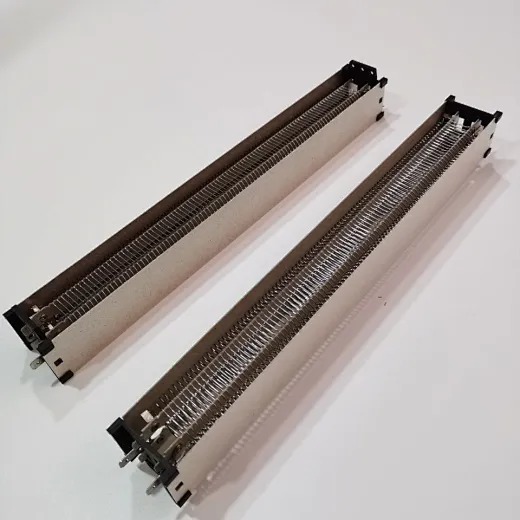
Acoustic Solutions Using soundproof covers and vibration-damping pads is an effective noise reduction technique. These measures can reduce noise transmission and enhance overall device comfort.
Improving Fan Design Choosing low-noise fan designs to pair with mica heating elements further reduces operational noise. Optimizing fan speed and airflow design minimizes noise and improves performance.
Testing and Validation
Noise Testing Conducting noise tests to confirm noise reduction effectiveness is crucial for ensuring product quality. Recording and analyzing test data ensures that the noise levels of fan heating elements meet industry standards.
Continuous Improvement Ongoing improvements in design and material selection based on test results and user feedback help to enhance noise control effectiveness. This continuous improvement process contributes to better product competitiveness and user satisfaction.
Conclusion
Reducing noise from mica fan heating elements requires a comprehensive approach, including design optimization, material selection, and regular maintenance. By implementing these strategies, manufacturers can significantly enhance product quality and user experience. JAYE HEATER is committed to providing high-quality mica heating elements and continuously improving technology to meet the demand for low-noise, high-performance heating solutions in the market.
How to Properly Calibrate Aluminum Shell PTC Heater Elements to Ensure Accurate Coffee Brewing Temperatures
How to Enhance Food Flavor with Convection Oven Heating Elements
Related Article